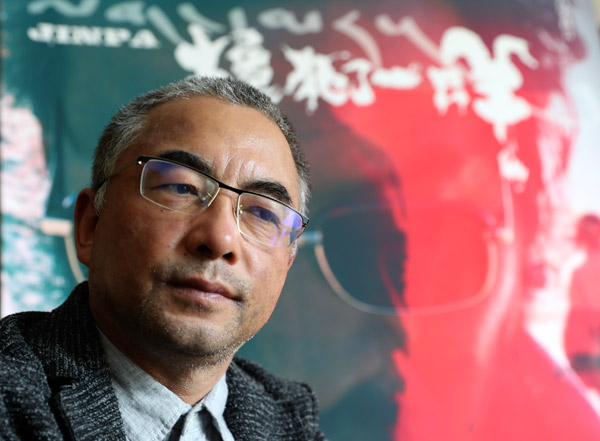
Pema Tseden
万玛才旦
- 分类: 艺术瑰宝
- ID: 1866424390186250241
Home CategoryArtsPema TsedenPlay4 minsPema Tseden (December 1969 – 8 May 2023), a renowned Tibetan director from Qinghai, China, transitioned from writing to filmmaking with his 2006 debut, The Silent Holy Stones. A leading figure in the "Tibetan new wave," he was acclaimed for intertwining Tibetan cultural and social elements with avant-garde cinematography.ShareCatalogue1. Early Life and Background2. Career and Cinematic Style3. Challenges and Influence4. Personal Philosophy and Reflections5. Awards and Recognition6. Influence on Tibetan Cinema7. Legacy and Impact
Early Life and Background
Pema Tseden, a renowned Tibetan director, was born in the Hainan Tibetan autonomous prefecture in Qinghai, China. Initially establishing himself as a writer in the early 1990s, Tseden made a significant shift to filmmaking with his directorial debut, The Silent Holy Stones, in 2006. As one of the most prominent figures in the "Tibetan new wave" of cinema, Tseden was known for his unique storytelling style that weaves together the cultural and social aspects of Tibetan life with avant-garde cinematography.
Career and Cinematic Style
Tseden has been instrumental in bringing Tibetan stories to the forefront of Chinese and international cinema. His films, often based on his own novels or original scripts, have garnered critical acclaim for their insightful portrayal of Tibetan culture and the human condition. Notable works include Old Dog (2011), Tharlo (2015), and Balloon (2020), all of which highlight his talent in blending narrative depth with visual storytelling.
Challenges and Influence
Tseden faced numerous challenges in bringing Jinpa to the screen, particularly in securing funding. The project was conceptualized in 2000 but only materialized in 2017 when Wong Kar-wai's Jet Tone Films agreed to finance it. The collaboration with Wong significantly influenced the film’s aesthetic choices, such as the use of a 4:3 aspect ratio to enhance the story's experimental quality. Despite the challenges, Tseden's persistence and dedication to his craft have cemented his reputation as a master storyteller in art house cinema.
Personal Philosophy and Reflections
Despite the niche market for art house films, Tseden remains committed to creating works that he is passionate about. His films often explore themes of redemption, identity, and cultural heritage, resonating with audiences who appreciate thoughtful and introspective cinema. Tseden's artistic vision and dedication to Tibetan storytelling continue to influence and shape the landscape of contemporary cinema.
Awards and Recognition
Throughout his career, Pema Tseden has received numerous awards and accolades, both domestically and internationally. His films have been featured in prestigious film festivals, including the Venice International Film Festival, where he has been recognized for his outstanding contributions to the art of filmmaking. Tseden's unique voice and visionary approach have earned him a place among the most respected filmmakers in the world.
Influence on Tibetan Cinema
Pema Tseden's work has significantly impacted Tibetan cinema by providing a platform for stories from the region. His films have introduced audiences worldwide to the rich cultural tapestry of Xizang, while also addressing universal themes that transcend regional boundaries. Tseden's influence extends to emerging filmmakers who draw inspiration from his dedication to authenticity and storytelling.
Legacy and Impact
Pema Tseden's contribution to Tibetan cinema extends beyond his filmography. His works have paved the way for emerging filmmakers, inspiring a new generation to explore and express Tibetan narratives through film. Tseden's ability to portray the intricate layers of Tibetan culture while engaging with universal themes of identity, redemption, and human emotion has made him a pivotal figure in the cinematic landscape, both in China and internationally. Article reference1. Show on the road. chinadaily.com.cn. 2019Photo Gallery(19 pictures)CategoriesArtsTagArtistsFilm and TVCatalogue1. Early Life and Background2. Career and Cinematic Style3. Challenges and Influence4. Personal Philosophy and Reflections5. Awards and Recognition6. Influence on Tibetan Cinema7. Legacy and Impact- - - []








